
01 / Market choice
Position the workflow, not just the model.
A broad technical capability can support very different businesses. Compare the task, buyer and alternative before choosing the language of your offer.
Read about positioning ↗The harder questions sit around it: who needs the product, what delivery costs, and which evidence makes a buying decision possible.
Explore the decisions ↘
These guides examine the choices a consulting brief should make explicit. Start where uncertainty is blocking a decision, rather than treating every question as equally urgent.
A broad technical capability can support very different businesses. Compare the task, buyer and alternative before choosing the language of your offer.
Read about positioning ↗
Token charges are only part of the picture. Retrieval, retries, human review and service commitments can change which customers and workloads make sense.
Read about economics ↗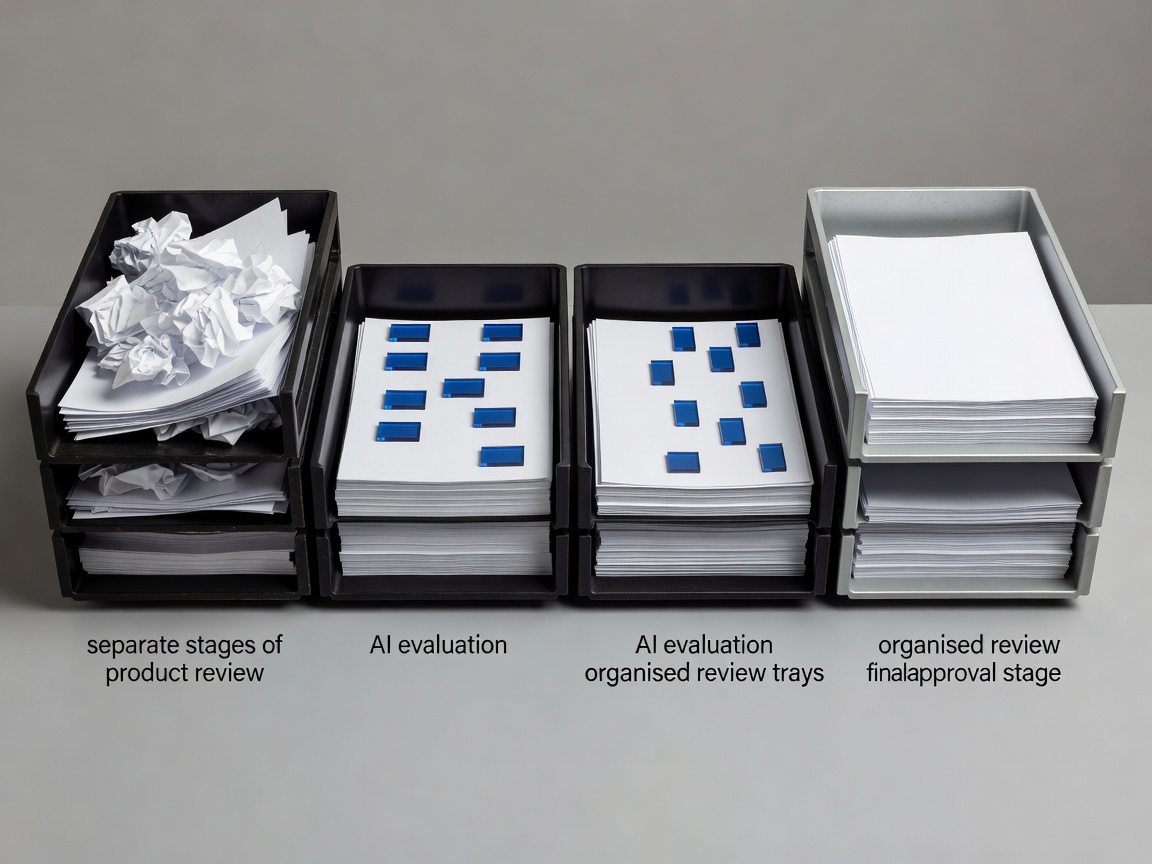
An impressive demonstration does not establish reliable workflow performance. Evaluation needs a defined task, representative inputs and a view of failure consequences.
Read about evaluation ↗
The user, budget holder and security reviewer may want different evidence. A coherent buying process connects those questions without promising away real constraints.
Read about enterprise sales ↗
More demand can reveal a product advantage or expose a services bottleneck. Compare segment expansion, platform breadth and delivery capacity before committing.
Read about scaling ↗“We need an AI strategy” leaves too much open. A more useful starting point identifies the choice, the alternatives and the evidence that would change the answer. That might mean narrowing a target workflow, revising a pilot offer or deciding whether a deployment model can support the intended margin.
Bring the disagreement as well as the data. A strategy discussion becomes more concrete when commercial ambition, model behaviour and operational limits can be examined together.
Discuss an AI strategy question ↗